

15
2025
-
05
The “Troika” of Global Strategic Minerals: From Supply-Demand Competition to Green Revolution, a New Mining Cycle is Underway
I. Supply-Demand “Mismatch War”: A Double Overture of Price Surges and Capacity Reconfiguration If the 2025 strategic minerals market were a symphony, “supply-demand mismatch” would be its most resounding note.
I. Supply-Demand “Mismatch War”: A Double Overture of Price Surges and Capacity Reconfiguration
If the 2025 strategic minerals market were a symphony, “supply-demand mismatch” would be its most resounding note.
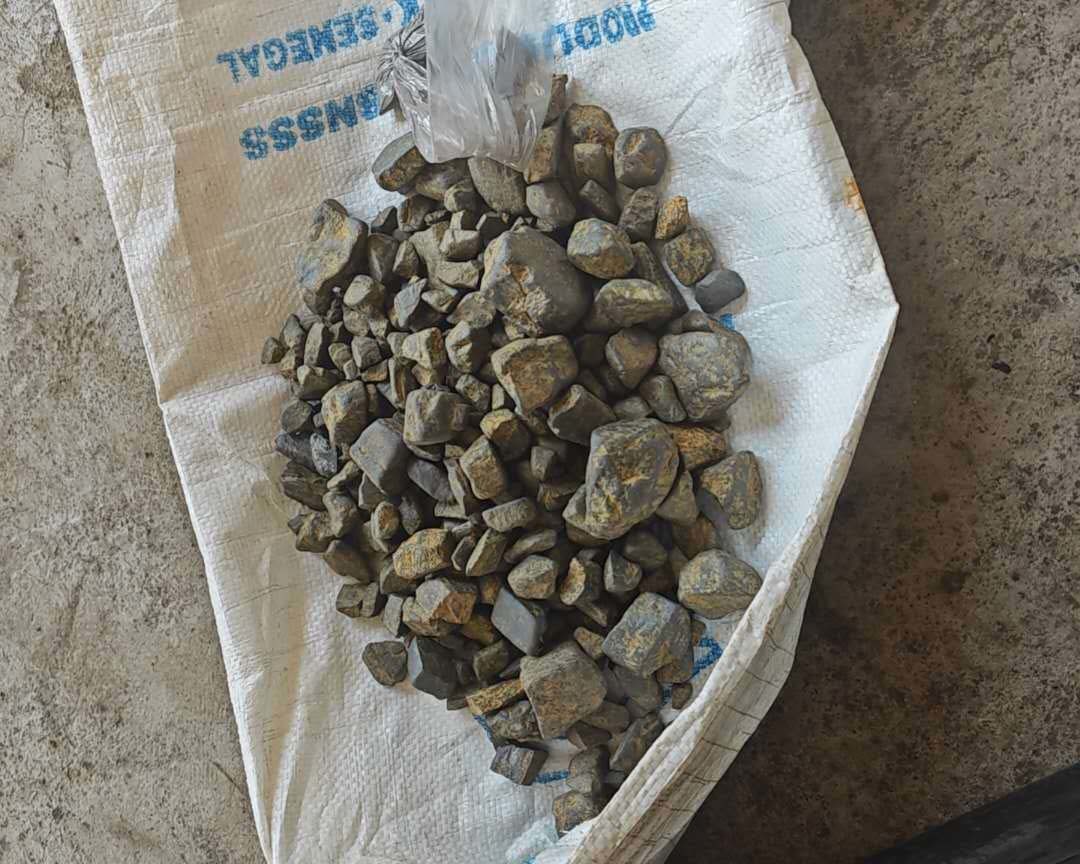
Tantalum-Niobium Ore: The “Invisible Lifeline” of Electronics
As a critical material for 5G base station filters and capacitor layers in quantum computing chips, demand for tantalum-niobium ore has grown exponentially alongside upgrades in the electronics industry—global consumption surged by 18% year-on-year in 2024, equivalent to absorbing three years of past growth in a single year. However, the supply side is locked in a tug-of-war between “tightening traditional hubs and emerging suppliers”: Brazil, Rwanda, and other traditional producers reduced exports by 12% due to stricter environmental policies, pushing international prices above the historic high of $85 per pound. Meanwhile, emerging regions like the Democratic Republic of the Congo in Africa have become “new granaries” stabilizing global supply chains, with annual production capacity up 30% thanks to smart mining technologies (e.g., AI vein recognition systems) and high-efficiency extraction of low-grade ores (comprehensive recovery rate reaching 92%).
Antimony Ore: “Dual-Demand Explosion” in the New-Energy Wave
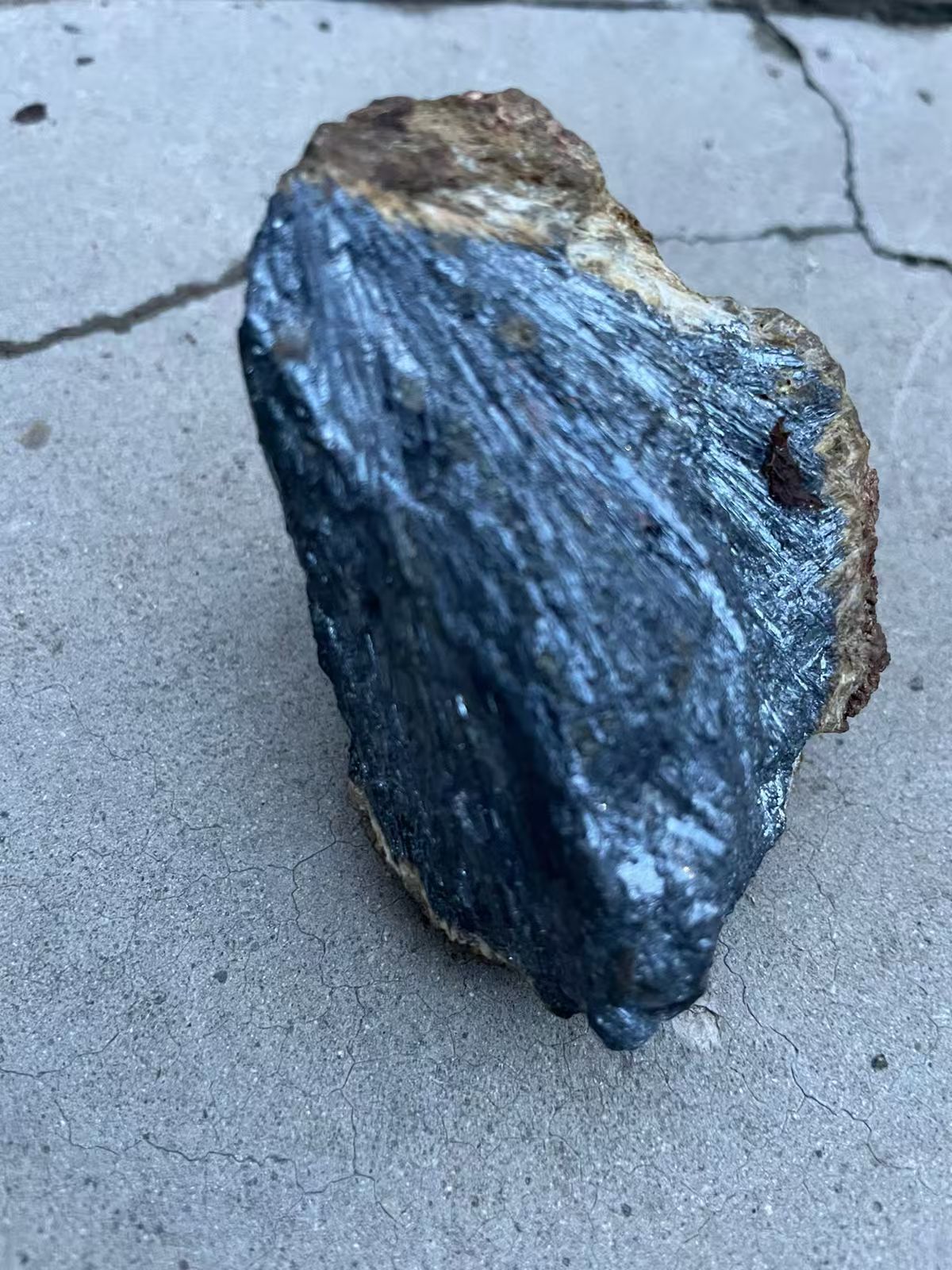
In Q1 2025, antimony prices hit a record high of $14,500 per ton, driven by the dual engines of flame retardants (65% of global antimony consumption, widely used in fireproofing for construction and electronics) and lithium-antimony battery anodes (a “dark horse” in energy storage due to high energy density and long cycle life). As the world’s largest supplier (60% global share), China is accelerating the integration of small-scale mines and tackling environmental challenges with innovations like the “bioleaching method”: this process cuts energy consumption by 40% in processing antimony-gold ores, with the first batch of industrial production lines expected to launch later this year, offering a “Chinese solution” for green antimony development.
Bauxite: A “Two-Way Reconciliation” of Policy and Technology
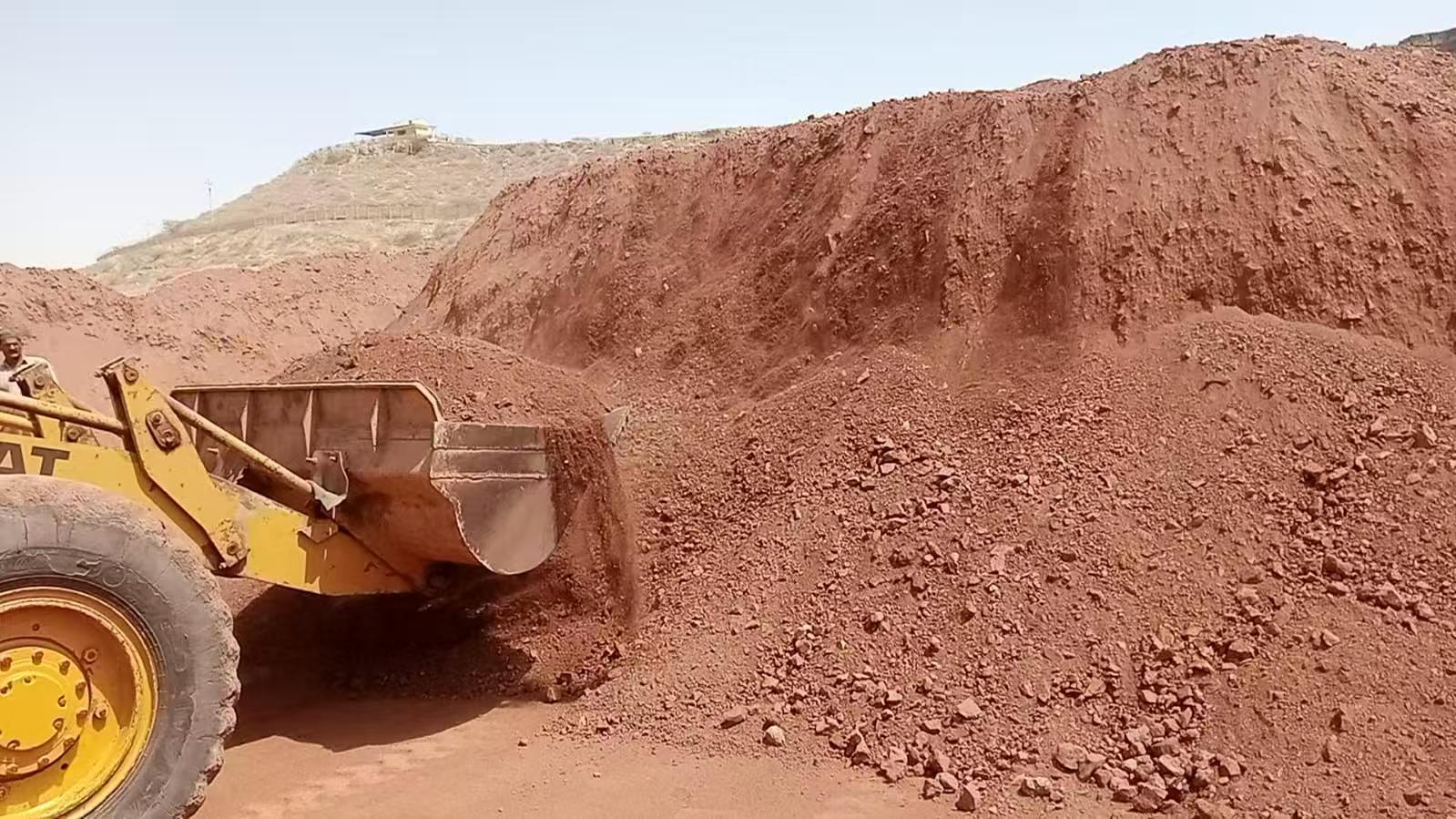
The loosening of Indonesia’s export ban and political stabilization in Guinea have brought bauxite prices back to a “rational range” , but competition for high-grade ores has intensified. The low-carbon transformation of the electrolytic aluminum industry is the key driver: technologies like the “suspension roasting-Bayer process” have boosted the utilization rate of low-silicon bauxite from 80% to 98%, while reducing red mud (smelting waste) emissions by 50%. This not only reduces reliance on high-grade ores but also redefines the traditional “high-energy, high-pollution” metallurgical logic—what was once considered “waste” is now a “hot commodity” in the green metallurgy era.
II. Technological Revolution: Industrial Upgrade from “Mining Stones” to “Building Ecosystems”
As the era of “mining equals profit” fades, technological innovation has become the “second growth curve” of the mining industry.
Exploration: From “Experience-Driven” to “Data-Driven”
The integration of satellite remote sensing and AI geological modeling has boosted prospecting efficiency by an order of magnitude. The 2024 discovery of a super-large niobium deposit (2 million tons reserves) in Zambia is a prime example—what once took 5-8 years now takes 18 months, with costs cut by 40%. Data-driven “precision exploration” is turning mining from a “game of luck” into a “calculation of probability.”
Smelting: From “High Emissions” to “Near-Zero Carbon”
Microwave-enhanced reduction technology has slashed antimony smelting carbon emissions by 65%, earning certification from the Global Climate Alliance (GCA). Meanwhile, bioleaching—using microorganisms to decompose ores—has opened a “no-acid, no-high-temperature” path for rare metal extraction. These technologies not only align with “dual carbon” goals but also transform mining from a “pollution heavyweight” to a “low-carbon pacesetter.”
Recycling: From “Tailings Piles” to “Resource Banks”
Annual processing of bauxite tailings has exceeded 5 million tons. Through physical sorting and chemical modification, these tailings can be converted into six categories of products, including eco-bricks, roadbed materials, and cement additives. The “mine-construction materials” circular system not only solves ecological hazards from tailings accumulation but also creates new economic value—recycling each ton of tailings generates 20% of the profit from raw ore mining.
III. The Next Decade: Reshaping Supply Chains and the New Frontier of “Extended Resources”
From the vantage point of 2025, the future of mining is clear:
• Accelerated Regional Supply Chain Formation: To mitigate geopolitical risks, global producers are densely investing in “resource hubs” like Southeast Asia and West Africa, building integrated “mining-processing-logistics” networks. The resilience of critical minerals like tantalum-niobium and antimony will increasingly depend on intra-regional coordination.
• ESG Standards as a “Hard Threshold”: The “mining ecological bank” model is rising—for every ton of minerals mined, 1.5-2 acres of ecological areas must be restored. By 2024, global reclamation had exceeded 120,000 hectares. Practices in Yunnan, China, and Ghana demonstrate that ecological restoration and resource development are not “zero-sum games” but “win-win partnerships.”
• The Eve of “Extended Resource” Competition: Technologies like deep-sea mining robots and lunar rare earth exploration have entered substantive R&D (over 200 global patents filed), with China, the U.S., and the EU forming a “three-pole” competition. In the future, resource rights disputes may extend from “land” to “deep sea” and “space.”
From “extracting” to “optimizing” and from “quantity” to “quality,” the transformation of the strategic minerals industry is fundamentally a redefinition of how humanity utilizes resources. As green technology and responsible development become common ground, the future of mining may lie not in “digging more minerals” but in “making every ton count.” This “resource revolution”—intertwining energy, technology, and ecology—has only just begun.
Keywords: Global Strategic Minerals, Supply-Demand competition, Green Mining Cycle

Service hotline(09:00 - 18:00)
Address:Room 1309, 13th Floor, Midea Plaza,No.388Nanguodong Road, Daliang, Shunde DistrictFoshan City Guangdong Province PR. China


